
IT IS YOUR MONEY
Digital Assets Go Mainstream: RWA Drives Institutional Demand
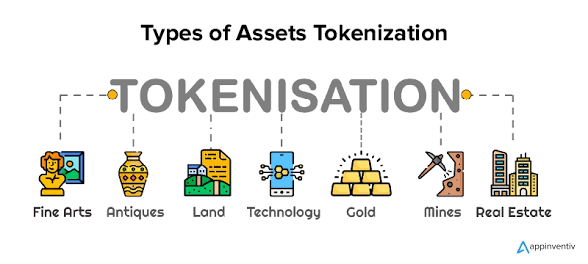
Institutional investors are increasingly allocating to digital assets, not just cryptocurrencies—but tokenized real-world assets. With enhanced transparency, auditability, and programmability, RWA-backed tokens offer familiar yields with modern efficiency. This convergence marks a pivotal moment where Wall Street meets Web3, fueling long-term adoption and stability in the digital economy.
Why Institutions Are Betting on RWA
Banks, pension funds, and asset managers seek stable, yield-generating investments. While crypto volatility remains a concern, RWA-backed tokens provide exposure to predictable cash flows—rents, dividends, interest—without sacrificing blockchain advantages. According to PwC, over 60% of financial institutions plan to invest in tokenized assets by 2026.
Goldman Sachs’ 2023 pilot of a tokenized repo transaction demonstrated reduced settlement times from days to minutes. Similarly, Franklin Templeton’s blockchain-based ETF offers daily NAV updates verified on-chain, increasing trust among auditors and regulators alike.
Building Trust Through Compliance
Unlike early DeFi applications, institutional-grade RWA platforms prioritize compliance. Token issuers integrate with licensed custodians (like Anchorage Digital), enforce investor accreditation, and adhere to accounting standards. This alignment makes integration into existing portfolios smoother.
For instance, SIX Digital Exchange in Switzerland lists fully regulated tokenized stocks and bonds, operating under Swiss financial law. It combines DLT benefits with traditional oversight—proving that innovation and regulation can coexist.
Infrastructure Maturation
Custody, clearing, and identity layers are maturing rapidly. Fireblocks and Copper provide secure multi-party computation wallets; Chainlink’s CCIP enables cross-chain communication for RWA portability. Interoperability ensures tokens can move safely between private and public networks based on compliance needs.
These tools lower operational risk and attract larger capital pools. Asset managers can now build diversified portfolios blending tokenized treasuries, carbon credits, and private equity—all trackable in real time.
Global Expansion and Future Outlook
Asia-Pacific leads in regulatory clarity. Japan permits tokenized equities; Hong Kong allows retail trading of certain digital assets. Meanwhile, the Middle East sees sovereign wealth funds exploring tokenized oil revenues and real estate.
As standardization grows, expect RWA to become a default option—not a niche. For institutions, the question is no longer if they’ll adopt, but how fast. Early movers gain structural advantages in speed, cost, and transparency.
Understand what institutional adoption means for your investment strategy. Learn more at DigitalAssets.Foundation, where professionals access actionable intelligence and personalized guidance—at no cost.
More News
© 2026