
IT IS YOUR MONEY
Tokenizing Real Estate: RWA’s Gateway to Mass Investment
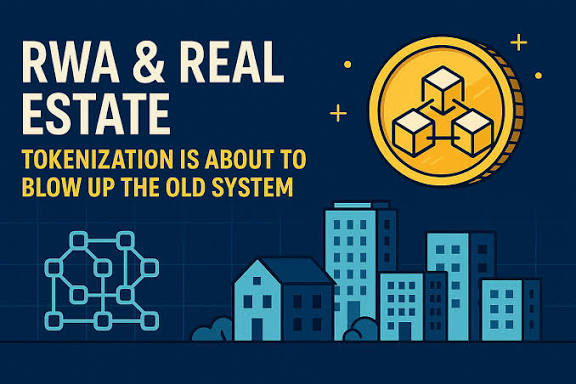
The tokenization of real estate is transforming how investors access property markets. By converting physical assets into digital tokens, RWA platforms enable fractional ownership, boost liquidity, and reduce entry barriers. This innovation merges traditional real estate with blockchain efficiency, offering global investors transparent, secure, and scalable opportunities in one of the world’s largest asset classes.
Bridging Physical and Digital Economies
Real estate has long been a cornerstone of wealth creation, yet its high cost and illiquidity limit broad participation. Tokenization changes this by representing ownership shares as digital tokens on a blockchain. Each token acts as a verifiable, tradable unit backed by real-world value—turning skyscrapers, apartments, or commercial complexes into accessible digital assets.
Platforms like RealT and Lofty AI have already begun tokenizing U.S. residential properties, allowing investors to earn rental income from as little as $50. These systems use smart contracts to automate distributions, ensuring transparency and reducing administrative overhead.
How RWA Tokenization Works
The process begins with legal structuring—placing an asset into a special-purpose vehicle (SPV). Then, a blockchain platform issues tokens proportional to ownership stakes. Regulatory compliance is maintained through KYC/AML checks and adherence to securities laws such as Regulation D or Reg A+ in the U.S.
For example, in 2023, INX Limited tokenized a $30 million commercial building in New York, offering regulated security tokens to accredited and institutional investors. The entire lifecycle—from issuance to dividend distribution—was managed on-chain, showcasing scalability and compliance.
Benefits Across Stakeholders
Investors gain diversification and 24/7 market access; property owners unlock capital without selling outright; and financial institutions can offer new structured products. Secondary markets on platforms like Securitize or ADDX allow trading of these tokens, enhancing liquidity typically absent in real estate.
Moreover, cross-border investment becomes seamless. A retail investor in Singapore can now own a piece of Berlin office space without navigating complex local regulations manually—compliance is baked into the token’s protocol.
Challenges and the Path Forward
Despite promise, challenges remain: regulatory fragmentation, custody standards, and market maturity. However, initiatives like the EU’s MiCA framework and Switzerland’s DLT Act are setting clear rules for RWA integration. As interoperability improves between blockchains and legacy systems, adoption will accelerate across pensions, REITs, and private equity.
As infrastructure matures, tokenized real estate could represent trillions in value within a decade. The fusion of tangible assets with digital efficiency isn’t speculative—it’s already underway. Investors who understand this shift today will be best positioned to benefit tomorrow.
Discover how you can participate in the next wave of asset ownership. Visit DigitalAssets.Foundation to explore educational resources and schedule your free consultation on entering the RWA ecosystem.
More News
© 2026